They are the logos/image work he did for each hardback book of the New Illustrated Library of Science and Innovation. Some much more complicated versions of what Im working on at the moment! Brilliantly executed and the finish on each seal is insane.
Saturday, 1 October 2011
Joy Of... Erik Nitsche
Trawling through more blogs I found the work of Erik Nitsche on nevolution (which has some really cool other bits of work from a HUGE selection of disciplines, not just design)
They are the logos/image work he did for each hardback book of the New Illustrated Library of Science and Innovation. Some much more complicated versions of what Im working on at the moment! Brilliantly executed and the finish on each seal is insane.
Games Aid
Just thought I would put a little post on Games Aid, as I am considering getting rid of the Zelda Brief I proposed in my original design strategy presentation. Not just because I found out that the anniversary of Zelda was earlier this year so I wont be able to join in with the hardcore fans appropriately. Also a Zelda marathon was had in aid of children with disabilities so it has kind of put a dampener on my orginal idea.
I do think however that designing for this charity is worthwhile, not only are they raising money to better the lives of children all over the UK.
In their own words -
"Funds will predominantly be used to support children's charities in the UK, with limited application for overseas causes; for education, health, housing and social welfare. Funds may also be deployed for career guidance and sport. Where possible, there will be some form of technology/interactive play element, but that is not a funding stipulation."
Widely recognised and renowned by other charities in the UK, I think it is a great way to encourage what is perceived as a legion of lazy gamers to get together, do what they enjoy to help other kids have a much better life at the expense of some blue light exposure on our part.
I do think however that designing for this charity is worthwhile, not only are they raising money to better the lives of children all over the UK.
In their own words -
"Funds will predominantly be used to support children's charities in the UK, with limited application for overseas causes; for education, health, housing and social welfare. Funds may also be deployed for career guidance and sport. Where possible, there will be some form of technology/interactive play element, but that is not a funding stipulation."
Widely recognised and renowned by other charities in the UK, I think it is a great way to encourage what is perceived as a legion of lazy gamers to get together, do what they enjoy to help other kids have a much better life at the expense of some blue light exposure on our part.
Plus I can see myself having a great time organising this, getting everyone together and having all my friends and whoever else I can convince to take part and do something good for some else, AND have fun.
Able Gamers
A quick look at Able Gamers website and it becomes obvious that I have found another good reason games should be promoted as a positive force towards new horizons and new ways to revolutionise gameplay. They do a lot of good things for their community, and have lots of reliable links on many different people/companies from the games industry making statements on the good they do. Pretty handy starting point for my publication!
http://www.ablegamers.org/
Friday, 30 September 2011
Steampunk Posters/Minimal Science
I was really struggling to find some up to date design to give me some direction/context to my own work.
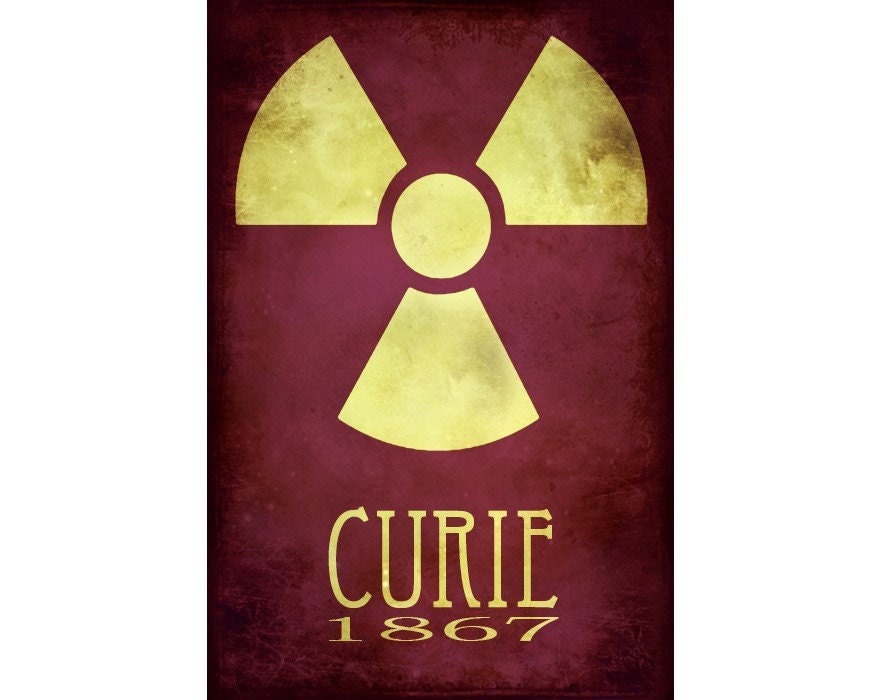
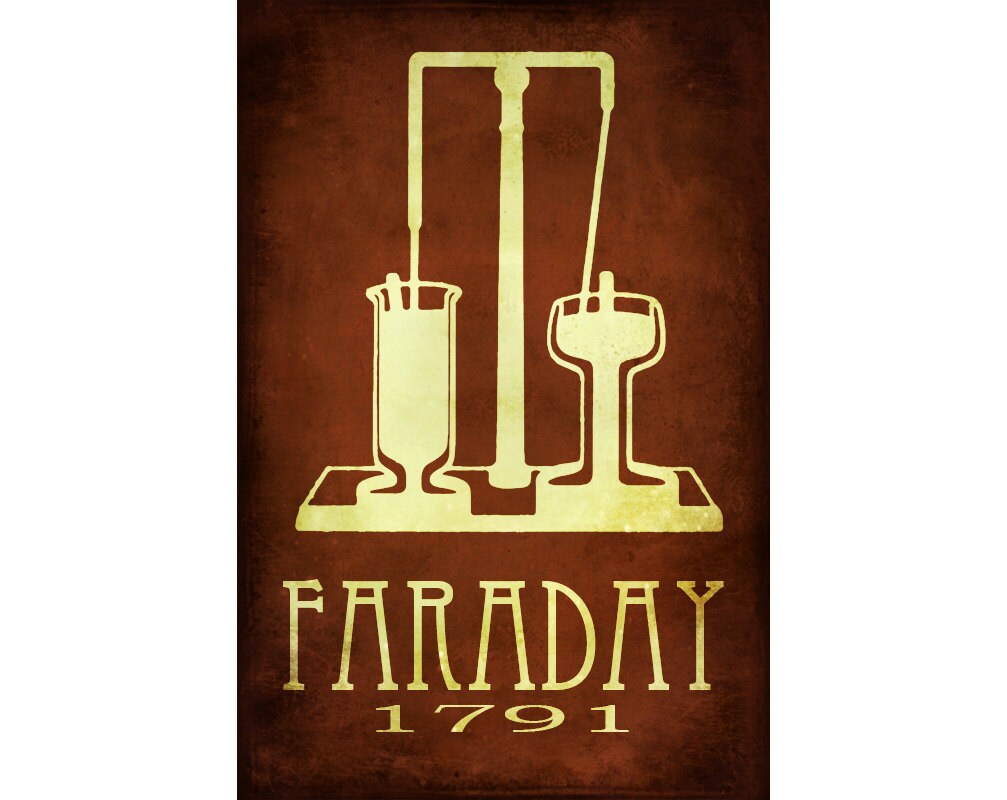
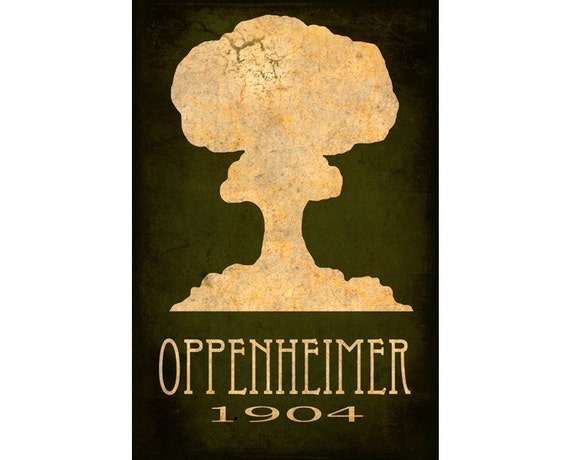
Fortunately I found Megan Lee on Etsy selling some rather cool, minimal image-oriented posters that sum up the scientist in a form of a vector icon. Its sort of the look I was going for at the moment anyway, as the style of image making goes hand in hand with the science theme which obviously uses very simple icons and symbols to quantify and qualify certain elements within their chosen field.
The use of type is something I wont be learning very much from as there is nothing bu t the names and a date underneath which corresponds to the date of discovery concerning their field of work, be it something to do with quantum mechanics or chemical warfare.
Fortunately I found Megan Lee on Etsy selling some rather cool, minimal image-oriented posters that sum up the scientist in a form of a vector icon. Its sort of the look I was going for at the moment anyway, as the style of image making goes hand in hand with the science theme which obviously uses very simple icons and symbols to quantify and qualify certain elements within their chosen field.
The use of type is something I wont be learning very much from as there is nothing bu t the names and a date underneath which corresponds to the date of discovery concerning their field of work, be it something to do with quantum mechanics or chemical warfare.
Rock Star Scientists is what Megan Lee calls this series, which I think is a really cool name, personally. Makes me consider if I am going to have a serious tone with the science brief, although I dont think I will as it will bore the hell out of the intended audience as well as anyone else.
NU WORLD MAG
Monday, 26 September 2011
Nuclear Catastrophe
Nuclear Catastrophe and Reactor Shutdown
Remember, at the heart of every nuclear reactor is a controlled environment of radioactivity and induced fission. When this environment spins out of control, the results can be catastrophic.
For many years, the Chernobyl disaster stood as a prime worst-case example of nuclear malfunction. In 1986, the Ukrainian nuclear reactor exploded, spewing 50 tons of radioactive material into the surrounding area, contaminating millions of acres of forest. The disaster forced the evacuation of at least 30,000 people, and eventually caused thousands to die from cancer and other illnesses [source: History Channel].
Chernobyl was poorly designed and improperly operated. The plant required constant human attention to keep the reactor from malfunctioning. Meanwhile, modern plants require constant supervision to keep from shutting down. Yet even a well-designed nuclear power plant is susceptible to natural disaster.
On Friday, March 11, 2011, Japan suffered the largest earthquake in modern history. A programmed response at the country's Fukushima-Daiichi nuclear facility immediately descended all of the reactor's control rods, shutting down all fission reactions within ten minutes. Unfortunately, however, you can't shut down all radioactivity with the flip of a switch.
As we explored on the previous page, nuclear waste continues to generate heat years after its initial run in a power plant. Similarly, within the first few hours after a nuclear reactor shuts down, it continues to generate heat from the decay process.
The March 2011 quake manifested a deadly tsunami, which destroyed the backup diesel generators that powered the water coolant pumps and that the facility had turned to after it couldn't get power from Japan's grid. These pumps circulate water through the reactor to remove decay heat. Uncirculated, both the water temperature and water pressure inside the reactor continued to rise. Furthermore, the reactor radiation began to split the water into oxygen and volatile hydrogen. The resulting hydrogen explosions breached the reactor building's steel containment panels.
Simply put, the Fukushima-Daiichi facility had many countermeasures in place to shut down operations in the event of severe seismic activity. They just didn't count on losing power to their coolant pumps.
Plants such as Japan's Fukushima-Daiichi facility, Russia's Chernobyl and the United States' Three Mile Island remain a black eye for the nuclear power industry, often overshadowing some of the environmental advantages the technology has to offer. You can read more about exactly what happened in How Japan's Nuclear Crisis Works.
Explore the links on the next page to learn more about nuclear energy.
Britistics
This sort of links in with the sort of visual approach I would be using when looking at publication design for some of my briefs.
In a similar vein to Water Privatisation, the simple use of vector images with refined information would be the best method I believe for the sort of publication design I would be applying to my own work.
Could be used for game demographics/information regarding gamer statistics and be used for the pro-videogames aspect of myself and my work I will be trying to propagate this year.
Subscribe to:
Posts (Atom)